Step one:

14 Likes
The 9 hole course is where I grew up playing, as did my father, so it holds some sentimental value. Still have a hole in one plaque from the 60’s from the 2nd hole I believe.
But for the love of god, please turn those 9 holes into something special. Night golf, multiple tee boxes/ shared greens, reverse routings, just go wild. They won’t but it’s been my dream.
10 Likes
We need someone in the refuge to get a job with Kemper so we can get a mole in there to help facilitate these kind of things.
3 Likes
Hey I’m trying over here…
7 Likes
I was immediately reminded of this gem

4 Likes
Throwback Thursday - Fort Sheridan Golf Course: What Could Have Been
Those of you may or may not remember this, but there used to be a public golf course on the banks of Lake Michigan just across the street from the Old Elm Club. Fort Sheridan Golf Course was the 4th member of the Lake County Forest Preserve courses (Countryside, Brae Loch, and Thunderhawk remain) and the oldest in the group. The course opened for play in 1937 and was designed by Edward B Dearie who was responsible for designing local area staples such as the St. Andrews courses in West Chicago, Sydney Marovitz (shoutout Breakfast Ball) and Rob Roy. The course closed with the sale of the land in 2003.
Digging through the Illinois State Digital Archives, these are the only two photos I could find from the golf course:
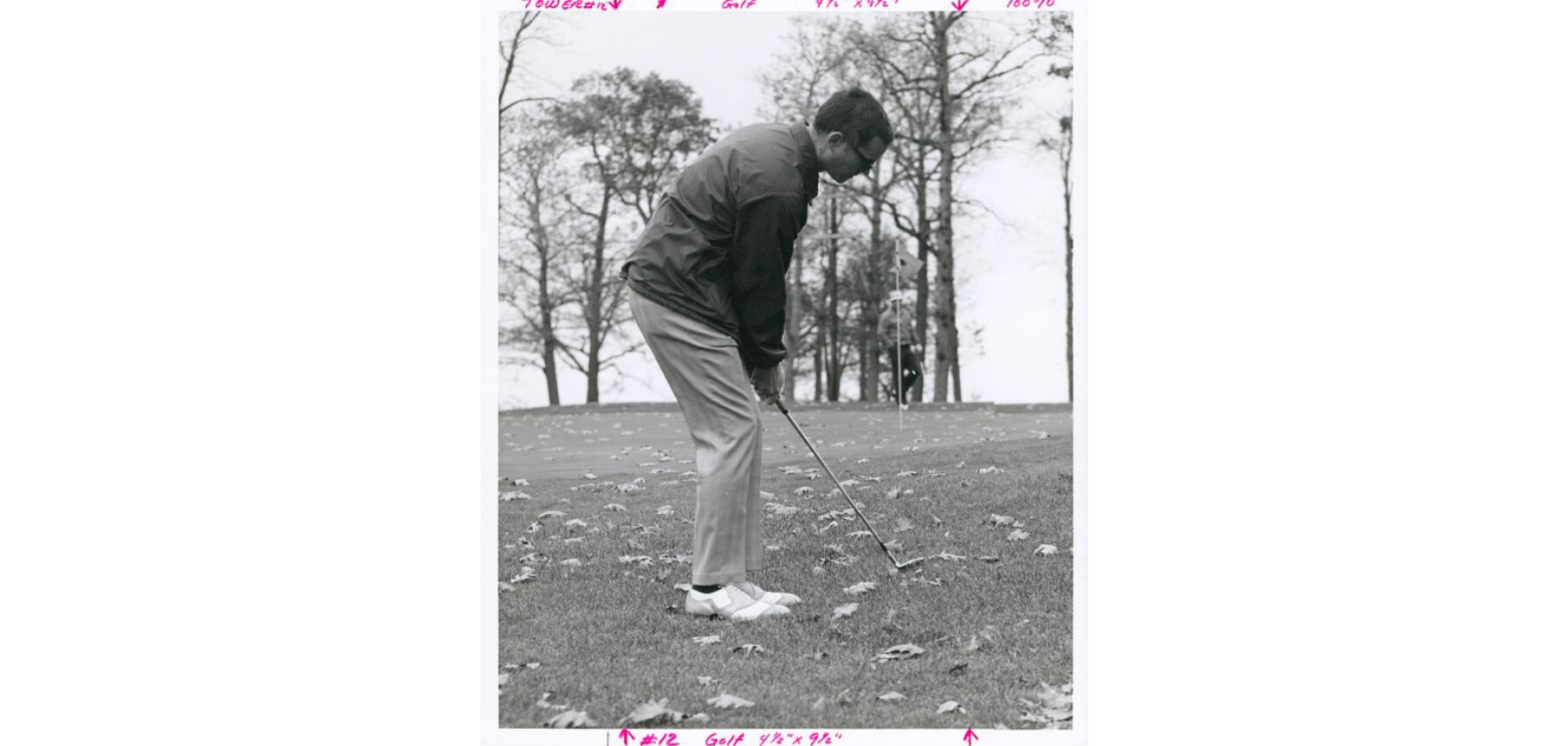
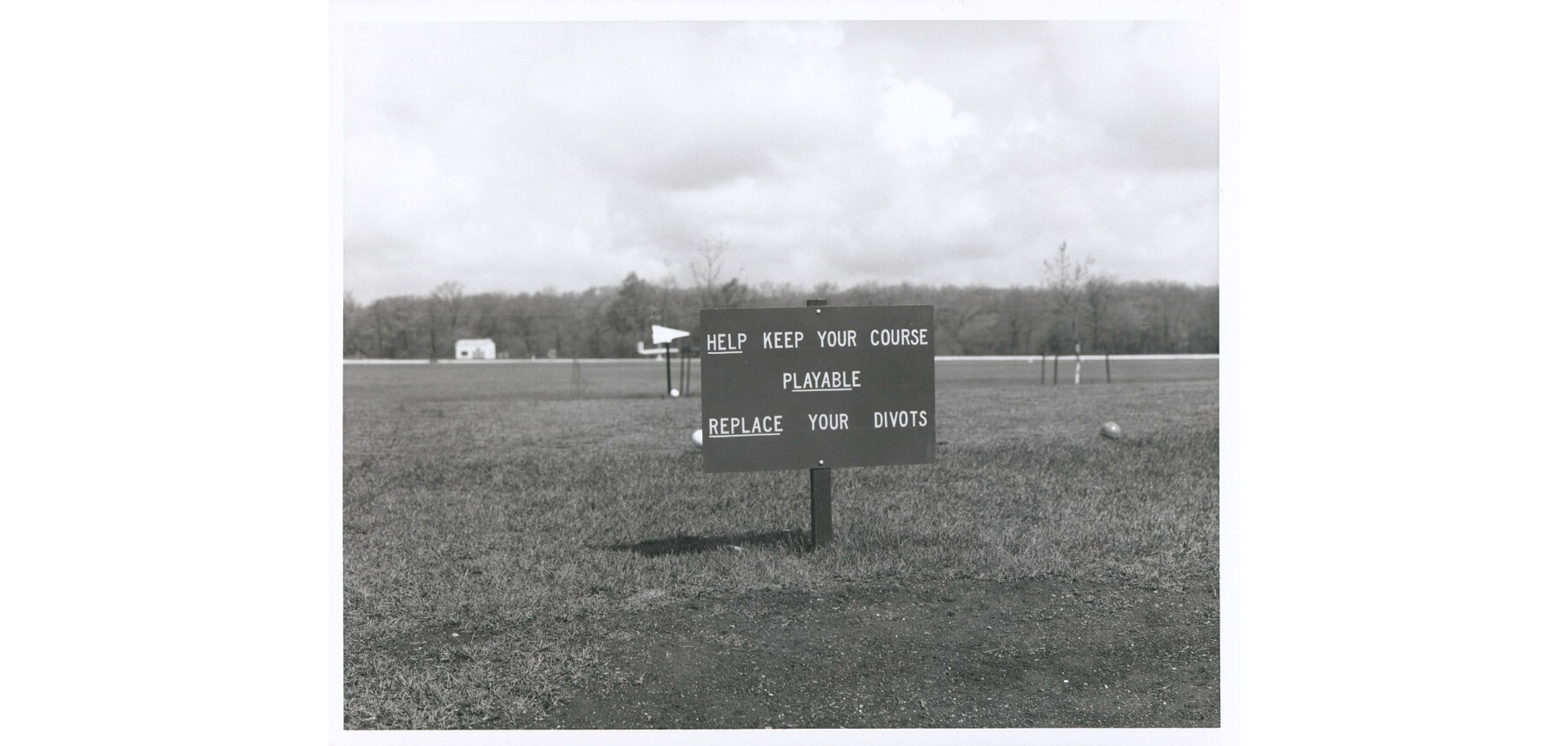
Fort Sheridan itself was an Army Cavalry base that was established in 1887 as “Camp Highwood”, and was renamed a year later after Philip “Phil the Thrill” Sheridan who was a Union General in the US Civil War. The Fort established as an infantry camp in it’s early years and settled into a Cavalry near the turn of the century and into World War I. During the 1st World War, the Fort was the midwest regional training and induction center for the US Army and converted into a rehab and isolation center for US troops from 1918-1920 that came home with influenza.
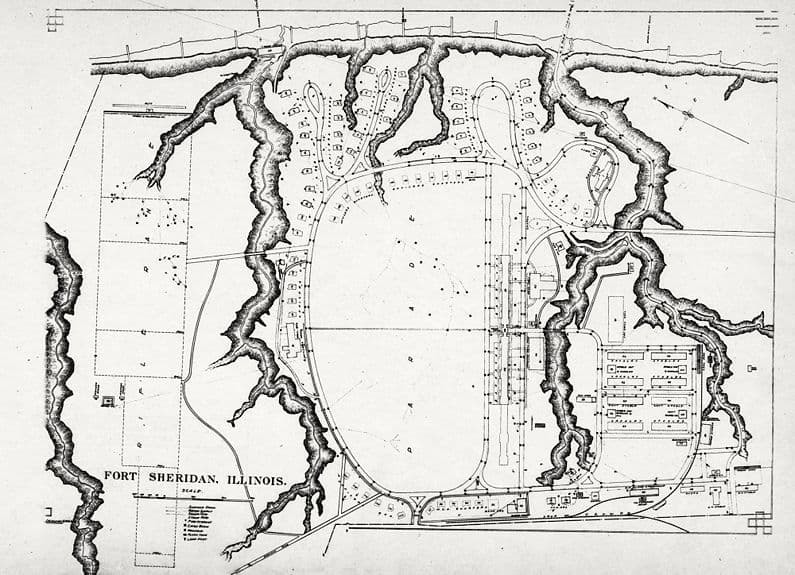
The Fort continued to be an induction and training facility throughout the WW2, Korean, and Vietnam Wars as well as a NIKE Missile HQ for the Chicago Air Defense through the 70s and 80s. In 1989, the Fort closed in the early wave of the Base Realignment and Closure Commission with only a few buildings being used by the National Guard and Reserve for protection of recreational Lake Michigan activities.
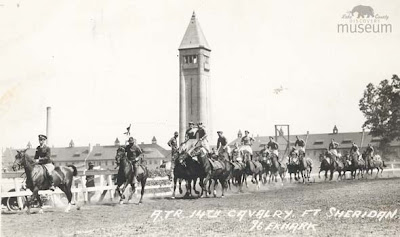
Interestingly enough, once the Fort recovered from World War I, the activity and feel of the Fort was “more of a Country Club atmosphere.” Horse shows, Football Games, Bowling, and Golf were included in daily activates for cadets and local civilians (Photo cira 1925):
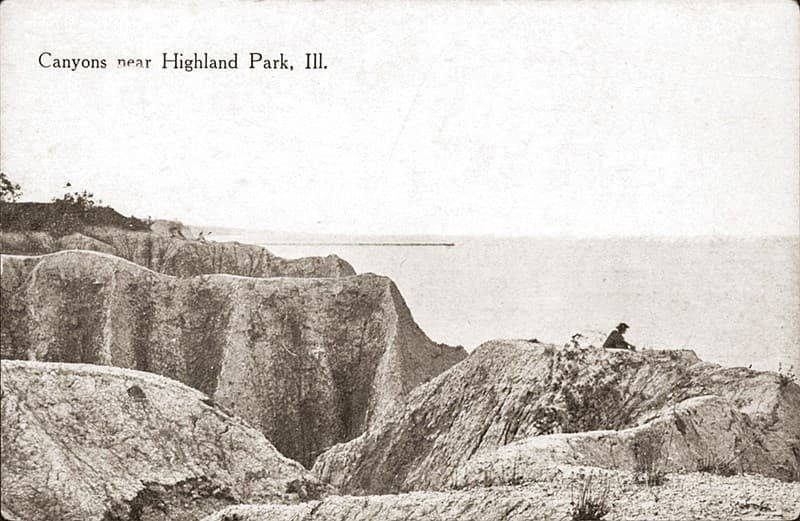
Included with the recreational activities was the golf course. A 5603yd Par 69 course that routed along the banks of Lake Michigan and the “Canyons of Highland Park” which were fingers of sand dunes that had eroded with storm and snow runoff to the lake. Before the Fort, this is what the land looked like:
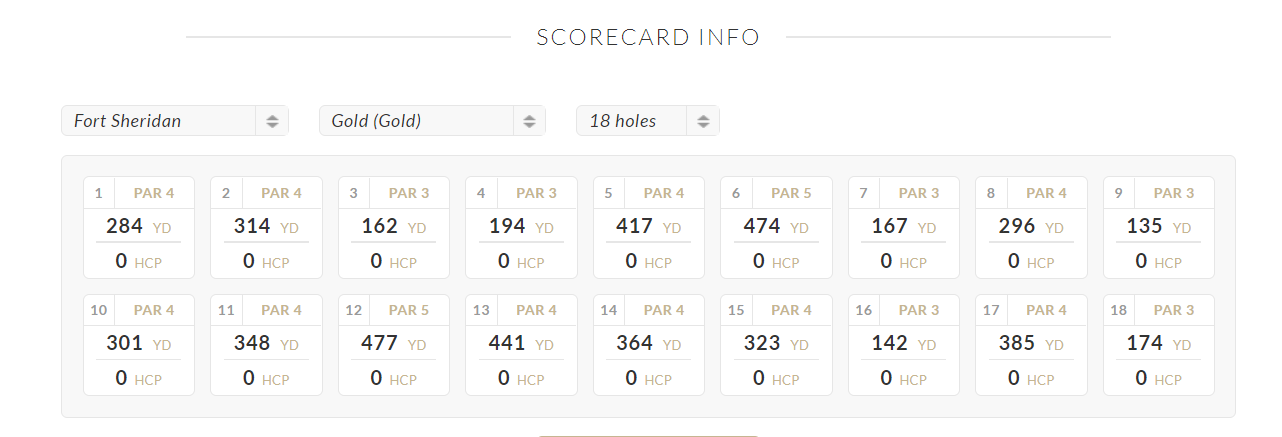
The longest hole of the course was the Par 5 12th that tipped out at just over 470yds, and the shortest was the 142yd Par 3 16th. I never was able to play the course growing up, but a few articles call the golf course routing a “trip through mature oak trees, over and across the 60ft ravines of the property with great views of Lake Michigan.” The land shares the same ravines, bunkers, and banks as Shoreacres which is just a short drive up Sheridan Road.
The course went public in 1994 after the LCFP was given a deed and access to the government land and allocated $1.75mil to restoring and preserving the grounds, architecture, and recreation facilities which included the golf course. What’s interesting and worth noting about that deed to the land, the US Army and Government authorized a “deed restriction” stating that the land needed to be both “a golf course and recreational open space in perpetuity.”
At the turn of the millennium, the Lake County Forest Preserve was given a $3.75mil grant from federal legislation to preserve local plant, animal, and endangered species. Local redevelopment groups, catholic charities, and the Town of Fort Sheridan approved restoration projects of roadways, housing, parking, and hiking trails and facilities along the lakeshore.
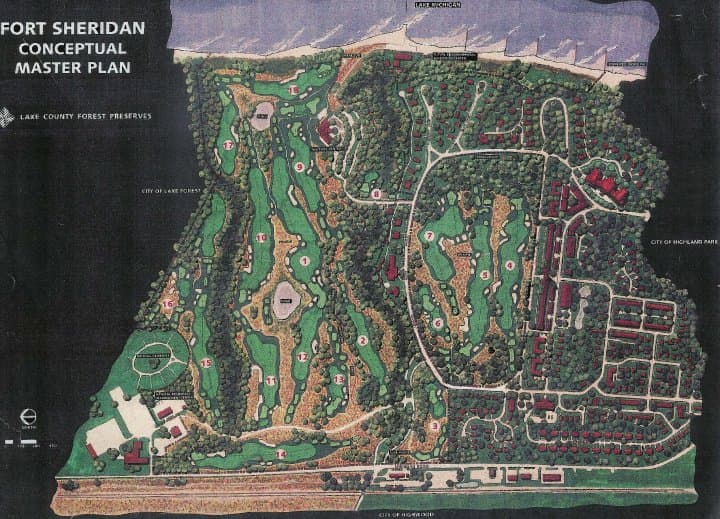
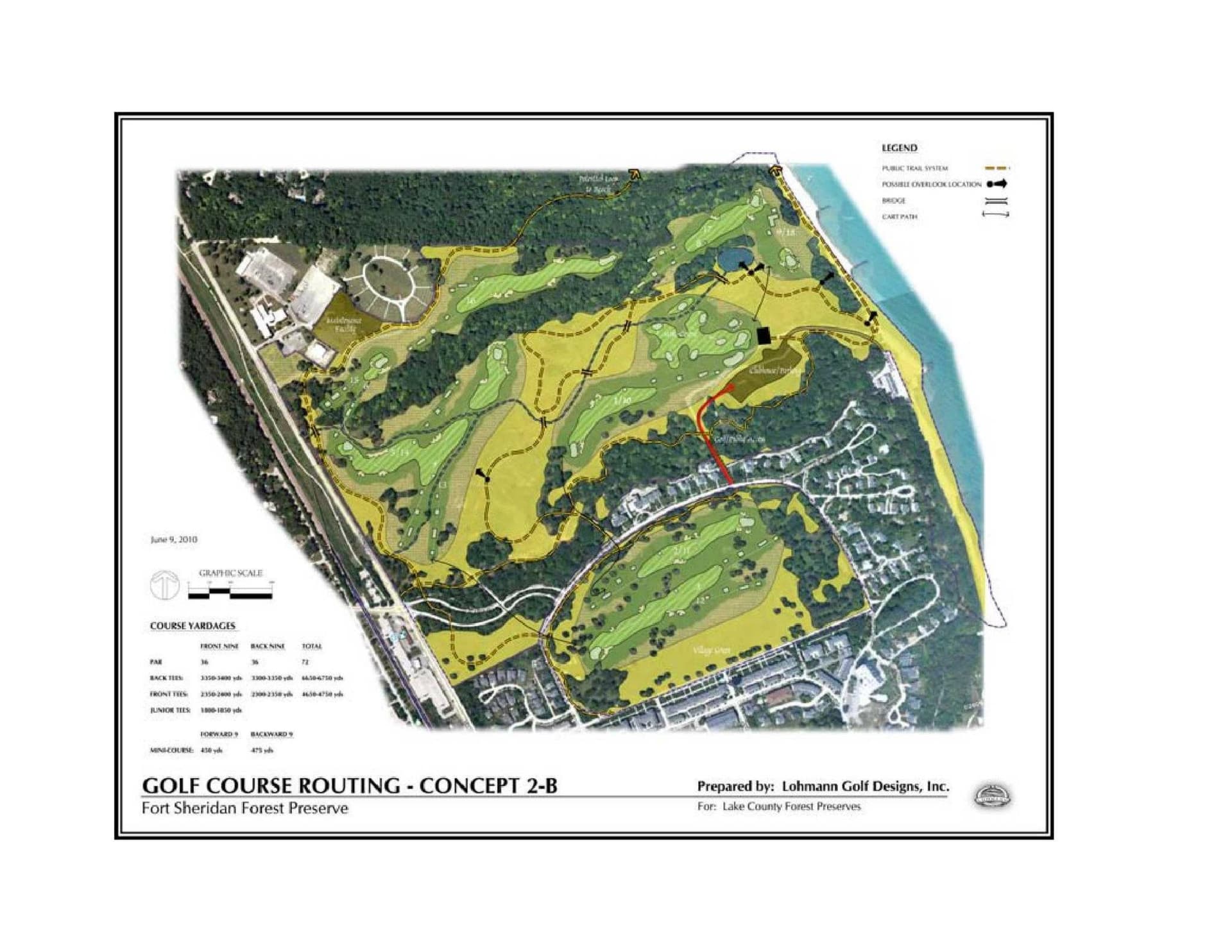
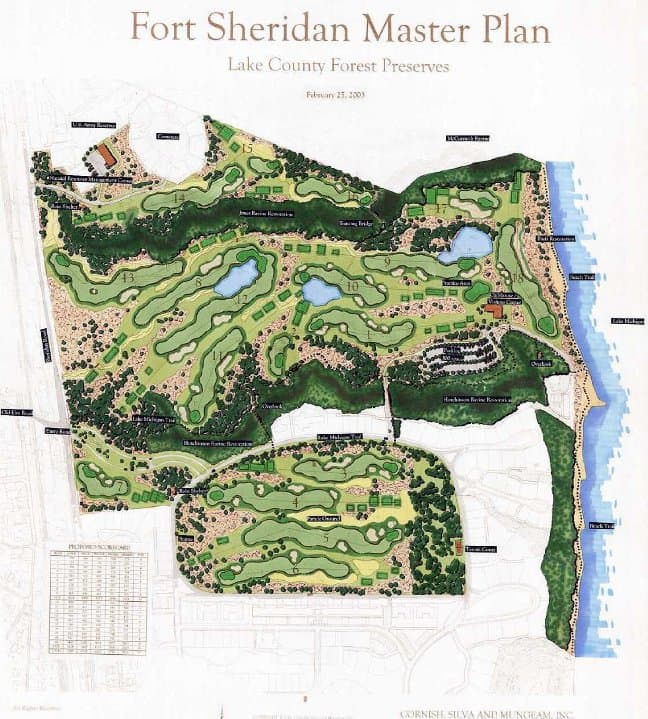
The inherited Golf Course was closed in 2003 to make way for a new or “renovated” golf course. Architects Robert Trent Jones Jr II (who worked for the LCFP in '98 at Thunderhawk), Brian Silva (Lookout Mtn, South Hampton, Seminole) and Todd Lohman (Blackstone, Chevy Chase, Schaumburg) were hired to give initial routings for the property based on the requests of the LCFP and local housing authorities. I’ll include the routing photos in the next post since I’ve used all my photos for this post.
Worth noting, with these architects hired to propose new routings, the conditions at For Sheridan drastically declined and became the butt-end of the golf scene on the north shore.
Every routing and proposal given was considered to be “over budget” by LCFP consultants, and told the LCFP advisory committee that a full renovation or new 9-hole course build would cost a minimum of $14million (shoutout to the Faz & Mr. Nicklaus). Oddly enough, a $20mil proposal to that same consulting group for a fishing pier and swimming beach was approved by the LCFP. Local Highland Park groups and committees tried to reason with the LCFP that no course cost $14mil to build (except Justin Timberlake’s Mirimichi in TN) but the Forest Preserve declined all options to build a new course.
As the economy crashed in 2008 and the Forest Preserve continued to decline bids for a new golf course, new hiking trails and bike paths were added to the Fort Sheridan land along with a new path to the Fort Sheridan Beach and bridges across the ravines. The final golf course proposal was declined in 2009 and no other offers were accepted. Remaining budget went to the restoration of Hutchinson Ravine and the South Bluff which held a parking lot for visitors to the preserve.
Here’s the website for the current village of “Fort Sheridan”
The downturn of golf in the late 2000’s, budget and land disputes, along with local taxpayers/environmentalists/conservationist distain ultimately led to the demise of the Fort Sheridan project. It’s crazy to think that Gil Hanse estimates golf course restorations can cost anywhere from $500k - $15million in 2022, and that land that also houses a Top 100 course in the US went dormant for golf. Looking at renovations to courses like Olympia Fields South costing $4million, I wonder if anyone has looked into buying out (or reclaiming the original deed) the precious land along Lake Michigan.
Just think…a public golf course sandwiched inbetween Old Elm, Shoreacres, Exmoor and Onwentsia ON the lake…
Thank you for reading - indulging in my geekery - and I’ll post the new course renderings in the next post below.
19 Likes

I stopped reading when I saw Rob Roy because that place sucks so much I got mad.
4 Likes
This felt like a true crime podcast in a really positive way.
7 Likes
Highly recommend walking that area and checking out the oval and architecture. Can still see some raised areas that were tee boxes, and some green sites. At least I think this was the same course.

3 Likes
I walked that trail last winter with the dogs but it was covered in snow and ice
1 Like
that can happen in the winter
8 Likes

8 Likes
here to help
7 Likes
Especially right by the lake.
4 Likes
oh man, that lake effect snow is no joke!
4 Likes
Don’t get me started about the wind off the lake either! It’ll blow you over!
2 Likes
RTJ Jr II Routing:
Lohman Routing (9 and 18 hole combination):
Brian Silva Routing:
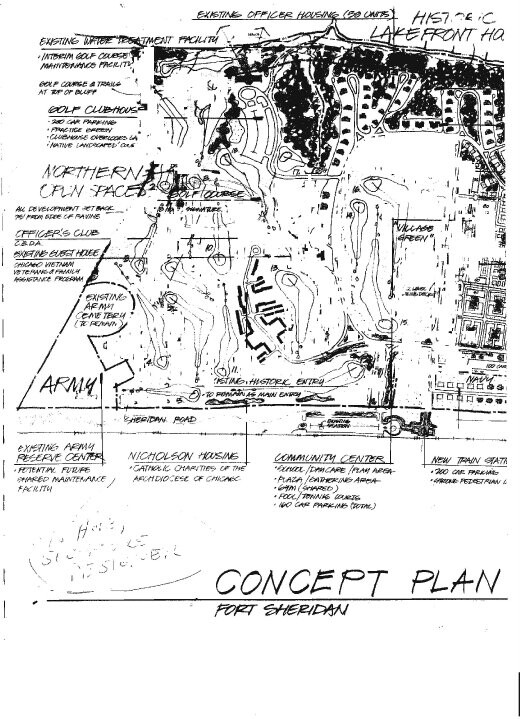
Original Routing Concept Routing w/ Historic Sites:
Original Scorecard:
7 Likes
This was a fantastic read, thank you for your effort.
3 Likes
Oh yea let’s just team up on the dumb southern guy. I thought I liked you guis.
5 Likes